
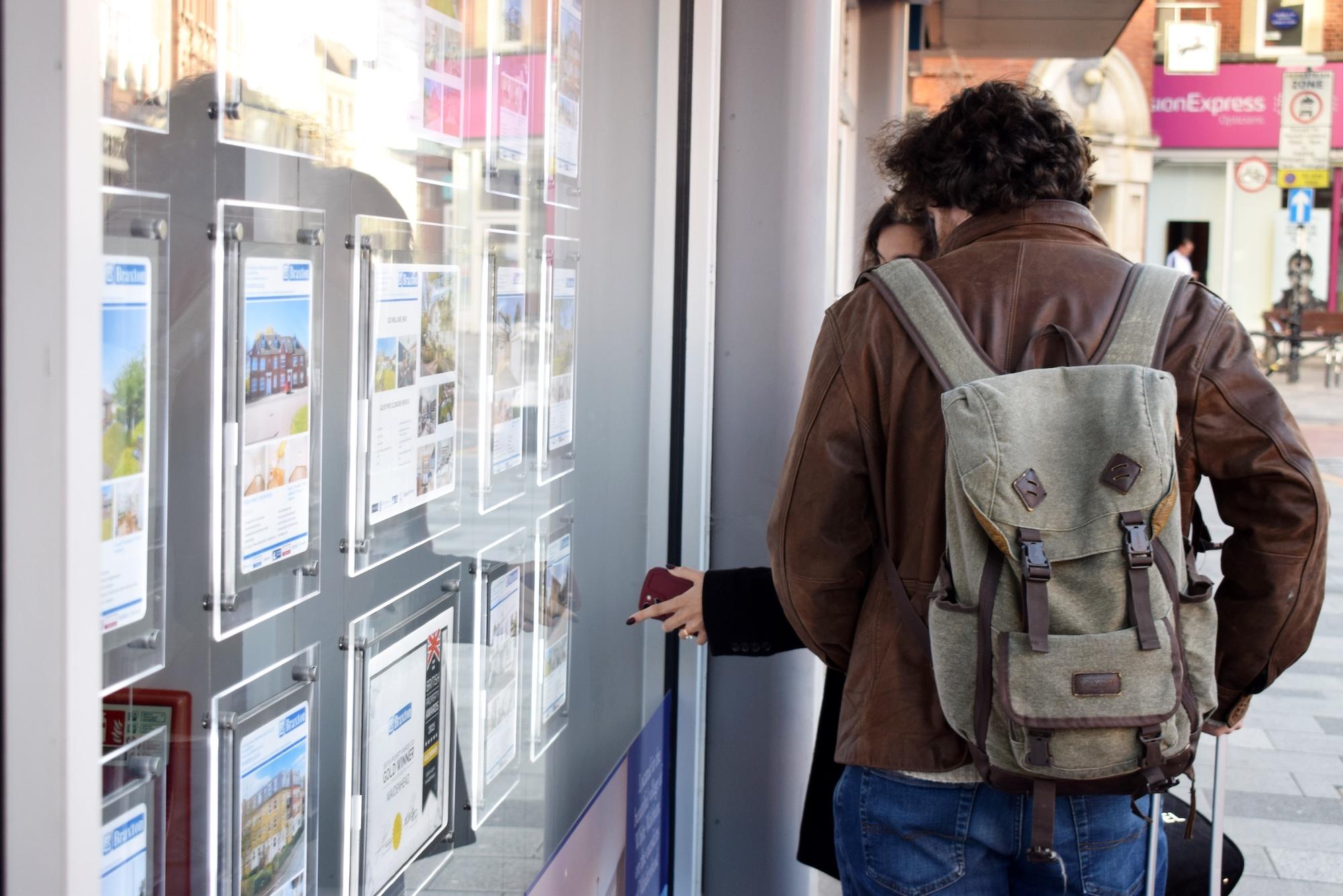
The new scheme that could ease the pressure on the Bank of Mum and Dad
A new £4.7 billion Government scheme expected to launch in 2027 could help eligible first-time buyers purchase a new-build home with a 2.5% deposit. But the extra borrowing comes with strings attached1.
For years, the Bank of Mum and Dad has helped young people get a foot on the property ladder. But with parents facing their own mortgage payments, household bills and the need to put enough money aside for retirement, helping children buy their first home can come at a considerable personal cost.
For those without family financial support, saving a deposit while paying rent can be an uphill struggle. Now, a new Government initiative confirmed in October’s Budget could offer another route into homeownership.
Called Your First Home, the scheme is intended to help around 70,000 households in England. Those familiar with the old Help to Buy scheme may recognise some similarities. Here is what families need to know1
How could your children buy a £300,000 home with a £7,500 deposit?
A conventional 95% mortgage would typically require a £15,000 deposit on a £300,000 home. Under Your First Home, an eligible buyer could contribute £7,500, with a Government equity loan covering 20% of the price and a repayment mortgage funding the remainder1
| Standard 95% mortgage | Your First Home | |
| Property price | £300,000 | £300,000 |
| Deposit | £15,000 | £7,500 |
| Government equity loan | — | £60,000 |
| Mortgage | £285,000 | £232,500 |
| Total borrowing | £285,000 | £292,500 |
A smaller deposit could take pressure off family savings. However, total borrowing is higher in this example. The Government’s contribution is a loan, not a gift.
Illustrative figures only, based on the Government’s example1 . Additional purchase costs apply. Mortgage approval is subject to affordability, status and lender criteria.
When can buyers apply?
Applications are not yet open. The Government has set out the following expected timetable1:
- By the end of December 2026: customer pre-registration and further guidance.
- February 2027: first customer applications.
- April 2027: first property sales under the scheme.
Pre-registration does not commit buyers to a purchase. It is intended to provide further information on eligibility and local price limits.
Can you earn £140,000 a year and still qualify?
The scheme is not restricted to households on particularly low incomes. The published household income ceilings are £110,000 outside London and £140,000 in London. Buyers will normally need to be first-time purchasers, use the property as their main home and obtain a mortgage from a participating lender1.
There is one significant restriction: only qualifying newly built homes from participating developers are eligible. Those with their heart set on a Victorian terrace will need to explore other options.
Local property price caps apply; buyers should consult the official list for their area. Full eligibility rules and participating lenders are expected to be published before applications open3.
What’s the catch? You could pay back thousands more than you borrowed
The Government loan is linked to the property’s future value. Suppose your son or daughter buys a £300,000 home with a £60,000 equity loan. If the home later becomes worth £350,000, they would normally owe £70,000, assuming no previous equity loan repayments1.
| Future property value | Equity loan repayment |
| £250,000 | £50,000 |
| £300,000 | £60,000 |
| £350,000 | £70,000 |
| £400,000 | £80,000 |
Illustration: 20% equity loan with no earlier repayments, excluding interest and fees. Calculations based on the repayment mechanism in1.
Falling house prices may reduce the amount owed to the Government, but could also leave buyers with little or no equity of their own. Buyers should consider how this could affect their ability to move home.
Beware of the five-year milestone
The equity loan carries no interest for the first five years. Interest charges begin in year six and increase in year seven. These charges are additional to mortgage payments and do not reduce the equity loan balance1.
Anyone considering the scheme should think carefully about how their finances might look in five or six years’ time. They may have started a family, changed jobs or face higher mortgage rates when their initial mortgage deal ends.
The equity loan will normally be repaid on sale, although earlier repayments will be possible. Further guidance on valuations, fees and remortgaging is expected before launch1.
Should parents think twice before handing over their savings?
For parents approaching retirement or still paying off their own mortgage, the new scheme could offer another option to explore before making a substantial financial gift.
But a smaller deposit does not automatically make this the cheapest way to buy a home. A conventional mortgage without a Government equity loan may be more suitable for some buyers. Much will depend on their circumstances, mortgage options, future property values and how long they intend to stay.
Parents and grandparents should consider their own financial security before making significant gifts.
What should first-time buyers be doing now?
Continuing to save, reviewing their credit history and getting a realistic understanding of their budget are sensible starting points. A deposit is only one of the costs of buying a home: legal fees, moving costs, any applicable Stamp Duty, insurance, maintenance and service or estate charges should also be considered.
Meeting the scheme’s eligibility criteria does not guarantee mortgage approval.
Could 2027 be the year someone in your family buys their first home?
As your mortgage adviser, we want to keep you informed about developments that could make a difference to your family. If you know someone hoping to buy their first home, feel free to share this article with them. Our team would be happy to discuss their circumstances and help them understand the options that may be available.
Your home/property may be repossessed if you do not keep up repayments on a mortgage or other debt secured on it.
There may be a fee for mortgage advice. The precise amount of the fee will depend on your circumstances.
Think carefully before securing other debts against your home/property.
All the information in this article is correct as of the publish date 27th November 2026. The opinions expressed in this publication are those of the authors. The information provided in this article, including text, graphics and images does not, and is not intended to, substitute advice; instead, all information, content, and materials available in this article are for general informational purposes only. Information in this article may not constitute the most up-to-date legal or other information.
Please be aware that by clicking on to any of the above links you are leaving our website. Please note that neither we nor HL Partnership Limited are responsible for the accuracy of the information contained within the linked site(s) accessible from this page.
Sources
- Ministry of Housing, Communities and Local Government (2026). Your First Home. [online] GOV.UK. Available at: https://www.gov.uk/government/publications/your-first-home/your-first-home.
- GOV.UK (2026) Budget 2026 (HTML). [online] www.gov.uk. Available at: https://www.gov.uk/government/publications/budget-2026-document/budget-2026-html.
- Ministry of Housing, Communities and Local Government (2026). Your First Home: local authority property price caps. [online] GOV.UK. Available at: https://www.gov.uk/government/publications/your-first-home/your-first-home-local-authority-property-price-caps.