
After a prolonged period of higher borrowing costs, there are early signs of relief for mortgage holders. Rates are not returning to the historic lows of the 2010s, but the overall trend has shifted. For many households, that change in direction matters.
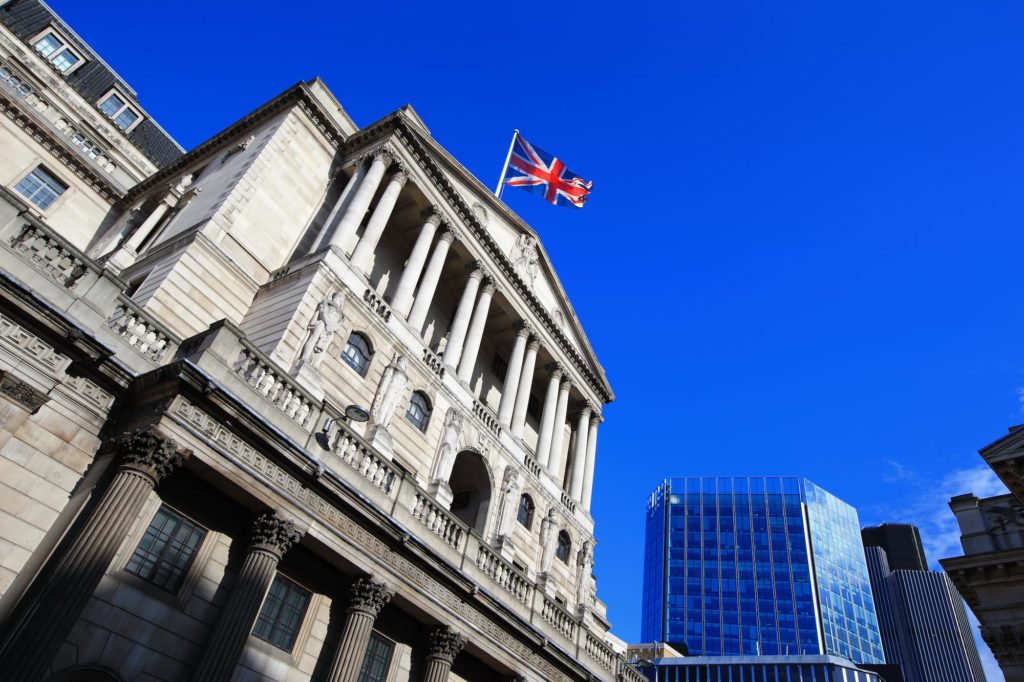
As of 26 February 2026, the Bank of England’s base rate is 3.75%, following a decision earlier this month to hold it steady. The next review is scheduled for 19 March1. While a stable base rate does not guarantee cheaper mortgages, it does provide a clearer backdrop for lenders setting their pricing.
Tracker mortgages typically move in line with changes to the base rate. Fixed-rate deals are influenced more by market expectations of where rates are heading over the next few years. As those expectations have softened, fixed rates have gradually edged down.
Rightmove’s latest data underlines that shift. In January 2026, the average two-year fixed rate stood at 4.23%, compared with 4.99% a year earlier. Based on its assumptions, the average monthly mortgage payment is now £1,592, which is £119 lower than in January 20252. That equates to a reduction of around 7%.
The picture is not entirely straightforward. January asking prices rose compared with December, which meant estimated mortgage payments were £35 higher than the previous month. The annual trend is more positive, but short-term fluctuations remain part of the market2.
First-time buyers are also seeing some improvement. Rightmove suggests a typical first-time buyer mortgage payment of £975 per month, down from £1,062 a year earlier2. While affordability remains stretched by historical standards, particularly when combined with higher living costs, the figures suggest conditions are less severe than they were at the start of last year.
The Bank of England’s own data tells a similar story. Its measure of the average effective interest rate on newly arranged mortgages was 4.15% in December 2025, down slightly from 4.20% in November3. It is a backward-looking measure, but it reinforces the broader narrative of easing borrowing costs.
So what does this mean in practical terms?
For homeowners approaching the end of a fixed-rate deal in 2026, the range of available products may be more competitive than it was twelve months ago. That does not remove the need for careful comparison. The overall cost of a mortgage depends not just on the interest rate, but also on fees, incentives and the flexibility built into the product.
Those on tracker mortgages will continue to feel any changes in base rate more directly. If the Bank of England adjusts rates in the coming months, repayments may rise or fall accordingly, depending on the terms agreed with the lender.
For prospective buyers, lower rates can improve affordability calculations at the margins. However, lenders still assess income, expenditure and credit history carefully, and deposit size remains a key factor in securing the most competitive deals.
There is also a broader point about headlines. A widely advertised low rate does not mean it is accessible to everyone. The rate available will depend on loan-to-value, credit profile, income and the lender’s criteria. The cheapest rate is not always the most cost-effective option once fees are taken into account.
The overall message is cautiously encouraging. Borrowing costs have eased compared with early 2025, offering some breathing space to households that have absorbed higher repayments. At the same time, markets remain sensitive to economic data and central bank decisions.
For homeowners and buyers alike, the focus should remain on preparation rather than prediction. Reviewing options early, understanding the total cost and selecting a product that aligns with long-term plans are more reliable strategies than attempting to anticipate every market movement.
References:
- Bank of England (2026). Interest rates and Bank Rate: our latest decision. [online] Available at: https://www.bankofengland.co.uk/monetary-policy/the-interest-rate-bank-rate [Accessed 24 Feb. 2026].
- Rightmove (2026). Average monthly mortgage payment down £119 year-on-year in January – Rightmove Press Centre. [online] Rightmove Press Centre. Available at: https://www.rightmove.co.uk/press-centre/average-monthly-mortgage-payment-down-119-year-on-year-in-january/ Accessed 24 Feb. 2026].
- Tradingeconomics.com. (2026). United Kingdom Interest Rate on New Mortgages. [online] Available at: https://tradingeconomics.com/united-kingdom/interest-rate-on-new-mortgages [Accessed 24 Feb. 2026].
Your home/property may be repossessed if you do not keep up repayments on a mortgage or other debt secured on it.
All the information in this article is correct as of the publish date 26th February 2026. The opinions expressed in this publication are those of the authors. The information provided in this article, including text, graphics and images does not, and is not intended to, substitute advice; instead, all information, content, and materials available in this article are for general informational purposes only. Information in this article may not constitute the most up-to-date legal or other information.
Please be aware that by clicking on to any of the above links you are leaving our website. Please note that neither we nor HL Partnership Limited are responsible for the accuracy of the information contained within the linked site(s) accessible from this pag