
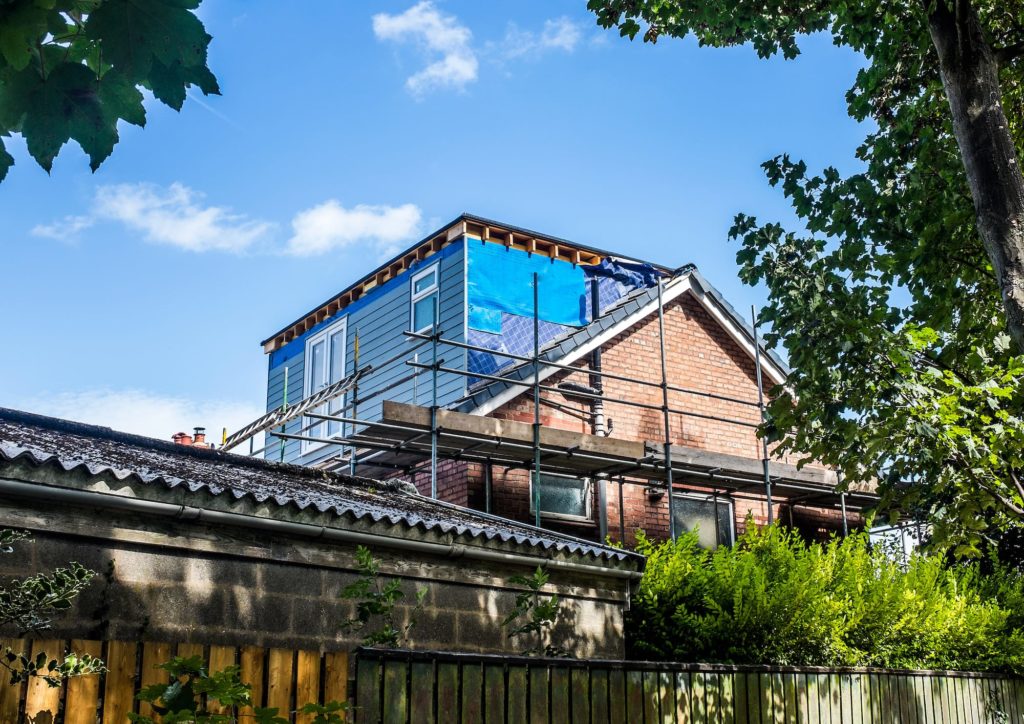
As spring arrives, many people start thinking about making changes to their home. Longer days and better weather can make it a natural time to plan improvements, whether that means building an extension, converting a loft, replacing a kitchen, upgrading a bathroom, improving energy efficiency or making the home more suitable for family life.
Home improvements can add comfort, space and, in some cases, value to your property. However, they can also involve significant costs. Materials, labour, planning requirements and unexpected issues can all affect the final amount you need to spend.
If you are considering borrowing more to pay for the work, it is worth speaking to your mortgage adviser before you make any firm commitments. They can help you understand the options available and whether additional borrowing may be suitable for your circumstances.
There may be several ways to fund home improvements. These could include a further advance from your existing lender, remortgaging to raise extra funds, a second charge mortgage, a personal loan or using savings. The right option will depend on your income, existing mortgage, property value, credit commitments, plans and budget.
If you borrow more against your home, your mortgage balance may increase and your home could be at risk if you do not keep up repayments. This is why it is important to consider whether the borrowing is affordable now and whether it would remain affordable if your circumstances changed.
It is important to look beyond the monthly payment. You should also consider the total cost of borrowing, the interest rate, any fees, the term of the borrowing and whether early repayment charges may apply. Extending borrowing over a longer period may reduce monthly payments, but it could increase the total amount of interest paid.
You should also check whether your current mortgage deal has any restrictions. If you are still within a fixed-rate period, remortgaging before the deal ends could trigger an early repayment charge. In some cases, another borrowing option may be more appropriate.
Before borrowing more, it is sensible to create a realistic budget for the work. This should include the main project costs, professional fees, planning or building control costs where relevant, VAT, temporary accommodation if needed and a contingency for unexpected expenses.
You may also want to consider whether the planned improvements are likely to support your longer-term plans. For example, the work may help you stay in the property for longer, create space for a growing family, improve energy efficiency or make the home more suitable as your circumstances change.
If the work is structural or significant, you should check whether you need planning permission, building regulations approval or consent from your freeholder, landlord or management company. You should also make sure you use suitable professionals and keep records of the work carried out.
Your insurance may also need reviewing. Major building work, extensions or changes to the property could affect your buildings insurance. You may need to tell your insurer before work begins to make sure you remain properly covered.
It is also worth reviewing your wider protection needs. If you increase your borrowing, extend your mortgage term or take on new monthly commitments, you may want to consider whether your life cover, critical illness cover or income protection remains suitable.
Home improvements can be a positive step, but borrowing more should be carefully considered. Taking advice early can help you compare your options, understand the costs and risks, and make an informed decision before you commit.
Please get in touch if you are thinking about home improvements and would like to understand your borrowing options. We can help you compare the possible routes, consider the costs and risks, and decide what may be suitable for your circumstances.
Your home/property may be repossessed if you do not keep up repayments on a mortgage or other debt secured on it.
All the information in this article is correct as of the publish date 30th April 2026. The opinions expressed in this publication are those of the authors. The information provided in this article, including text, graphics and images does not, and is not intended to, substitute advice; instead, all information, content, and materials available in this article are for general informational purposes only. Information in this article may not constitute the most up-to-date legal or other information.
Please be aware that by clicking on to any of the above links you are leaving our website. Please note that neither we nor HLPartnership Limited are responsible for the accuracy of the information contained within the linked site(s) accessible from this page.